Project Overview
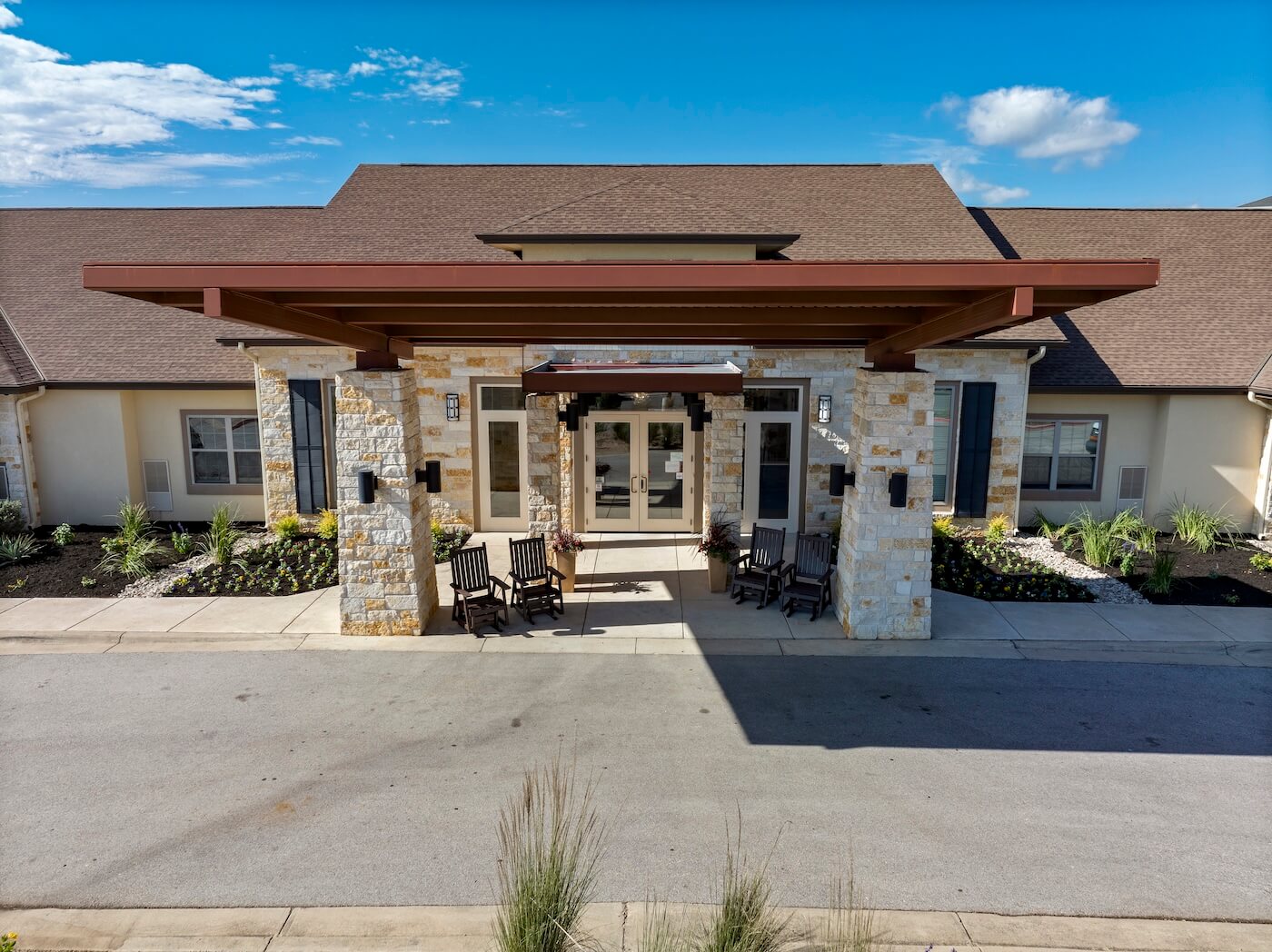
Originally opened in 2018 as a 60 unit stand alone memory care community, Monarch at Cedar Park entered a highly competitive Austin submarket. Despite strong demographics, including an affluent adult daughter decision maker base and proximity to a growing medical corridor, the community struggled to maintain consistent occupancy. This was largely due to an oversupply of comparable memory care communities in the area.
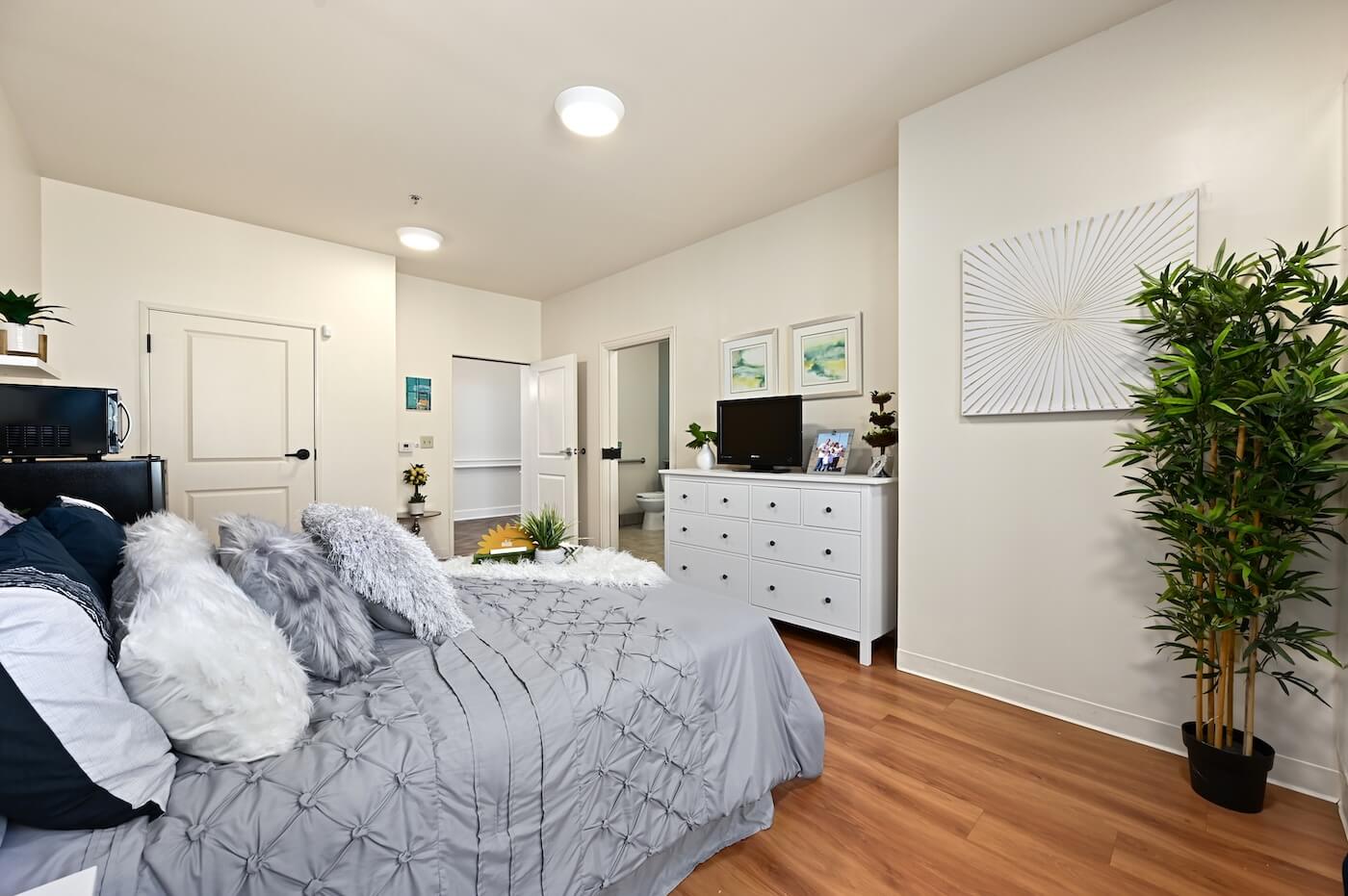
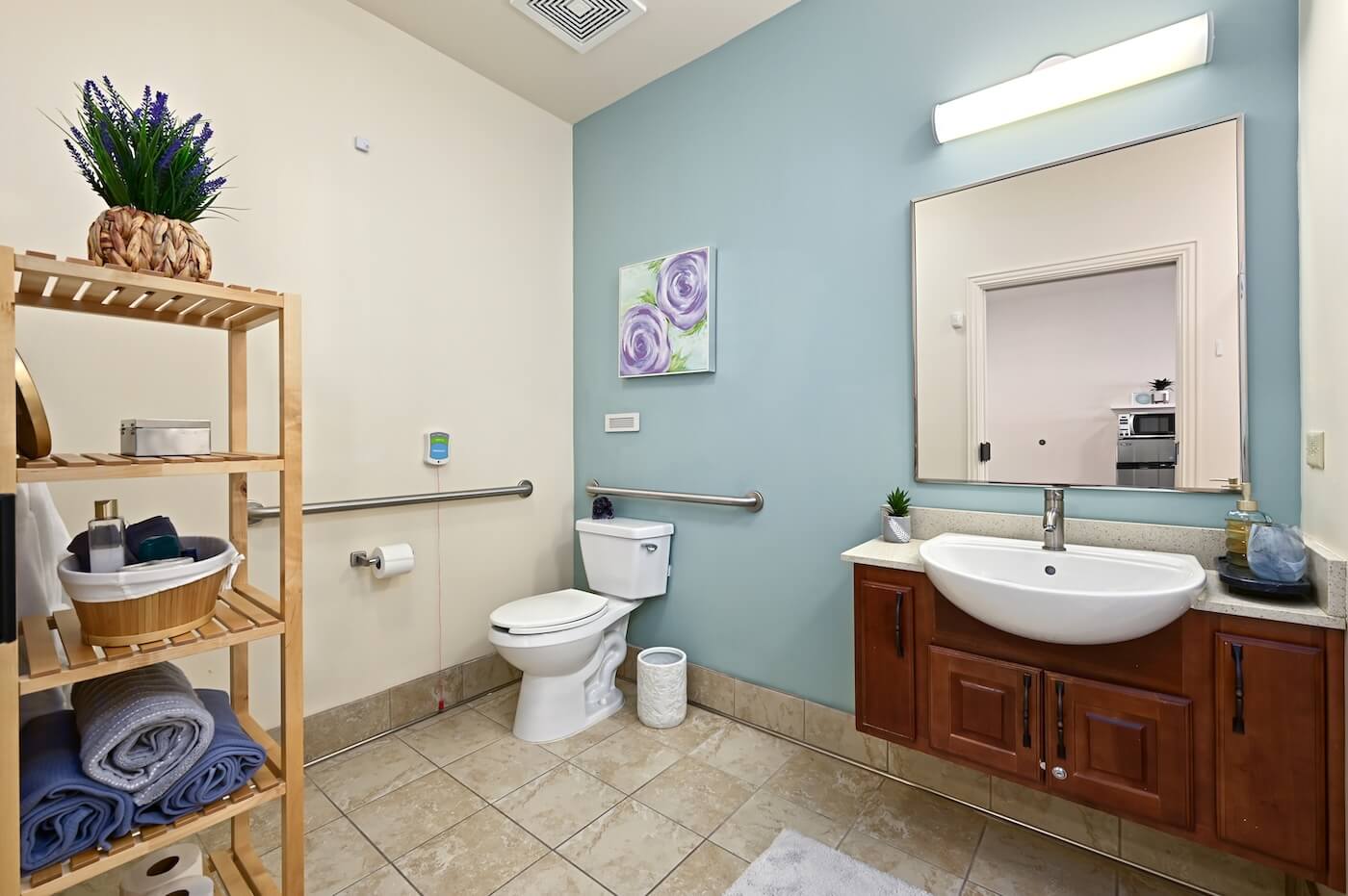
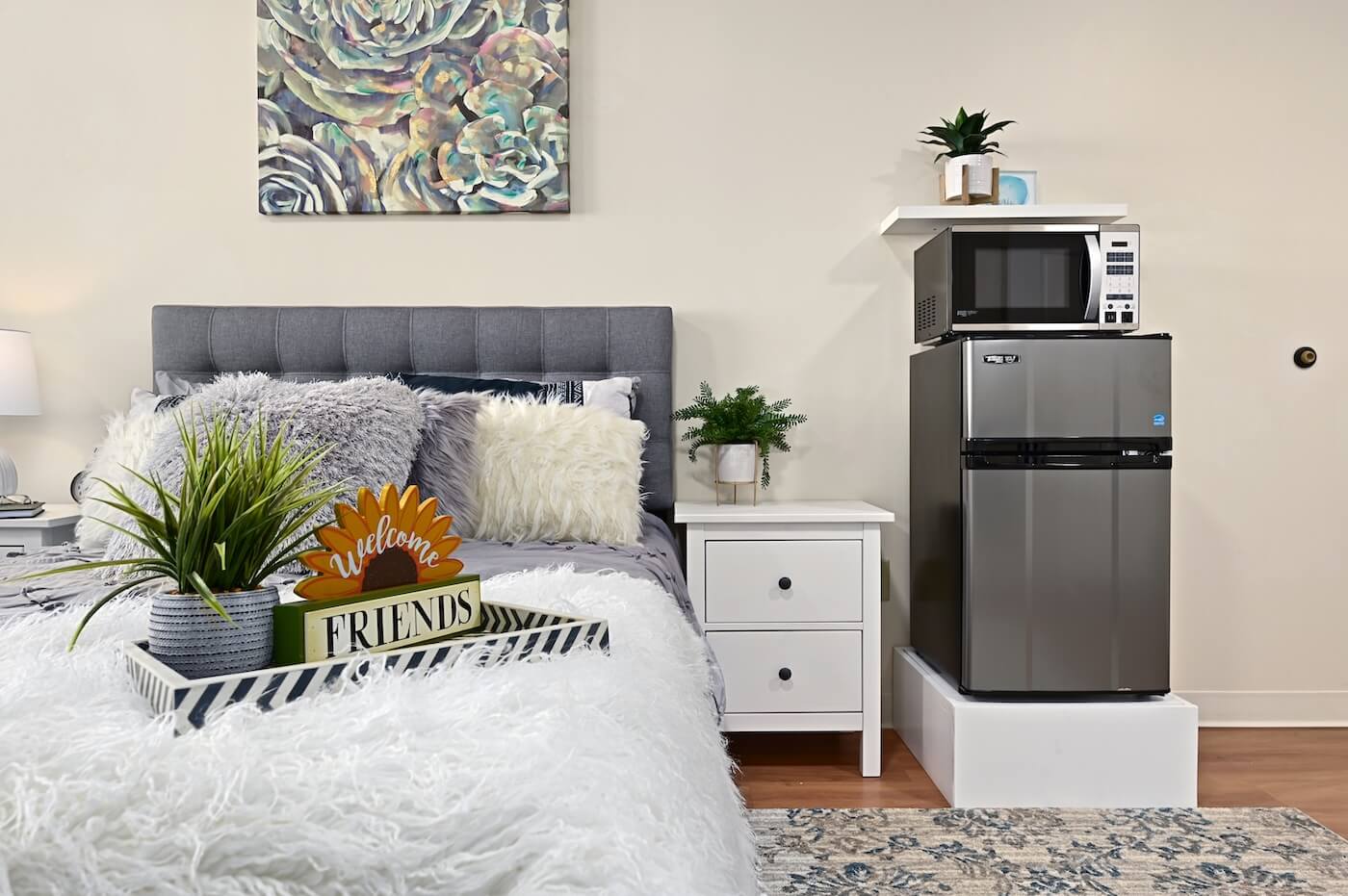
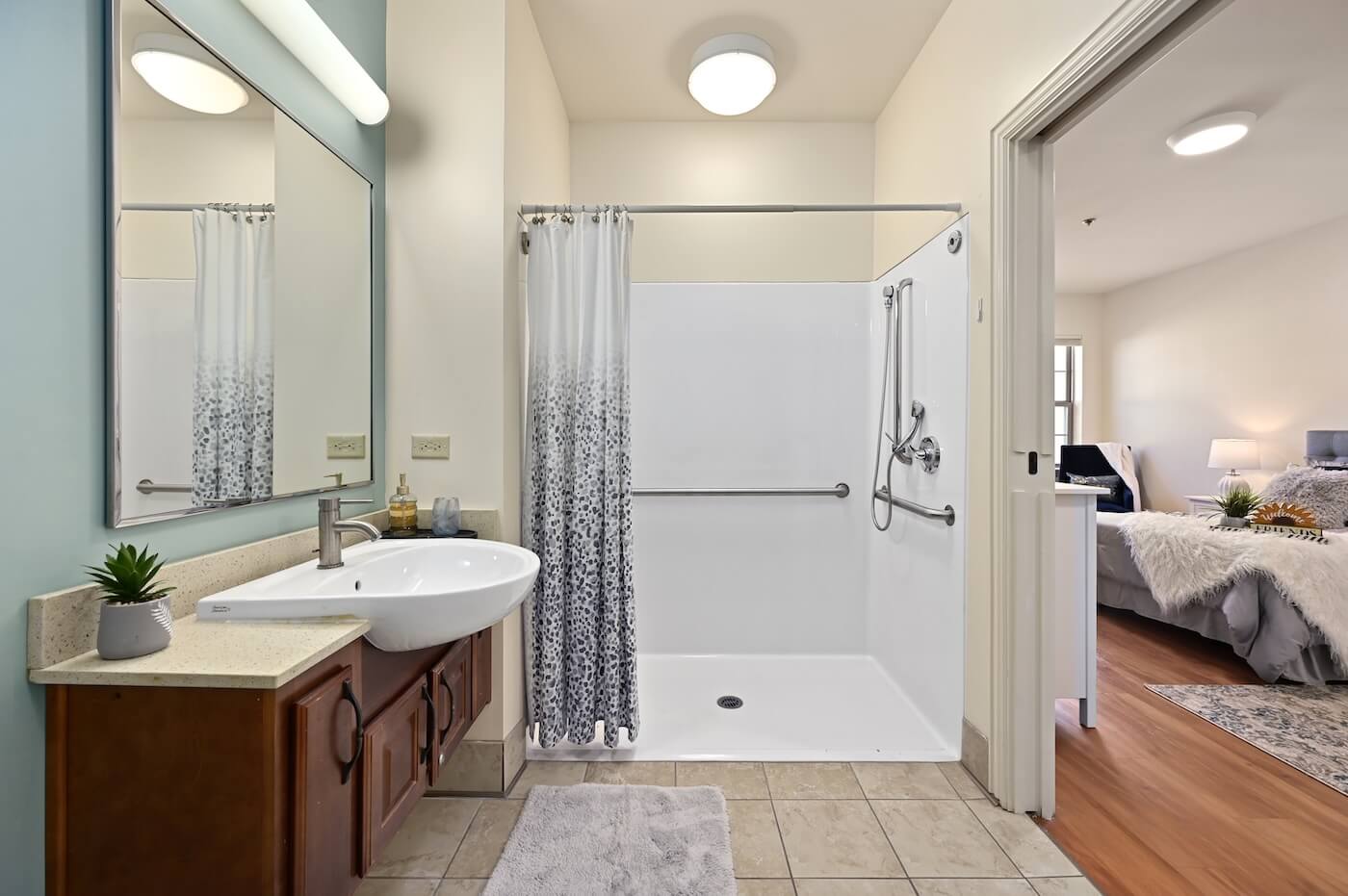
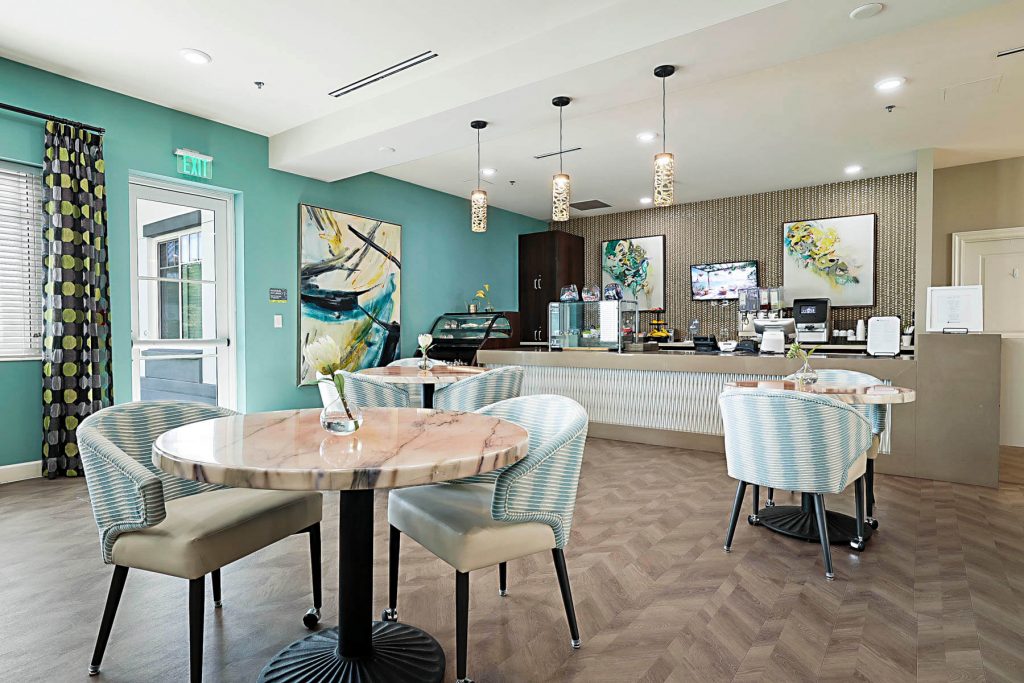
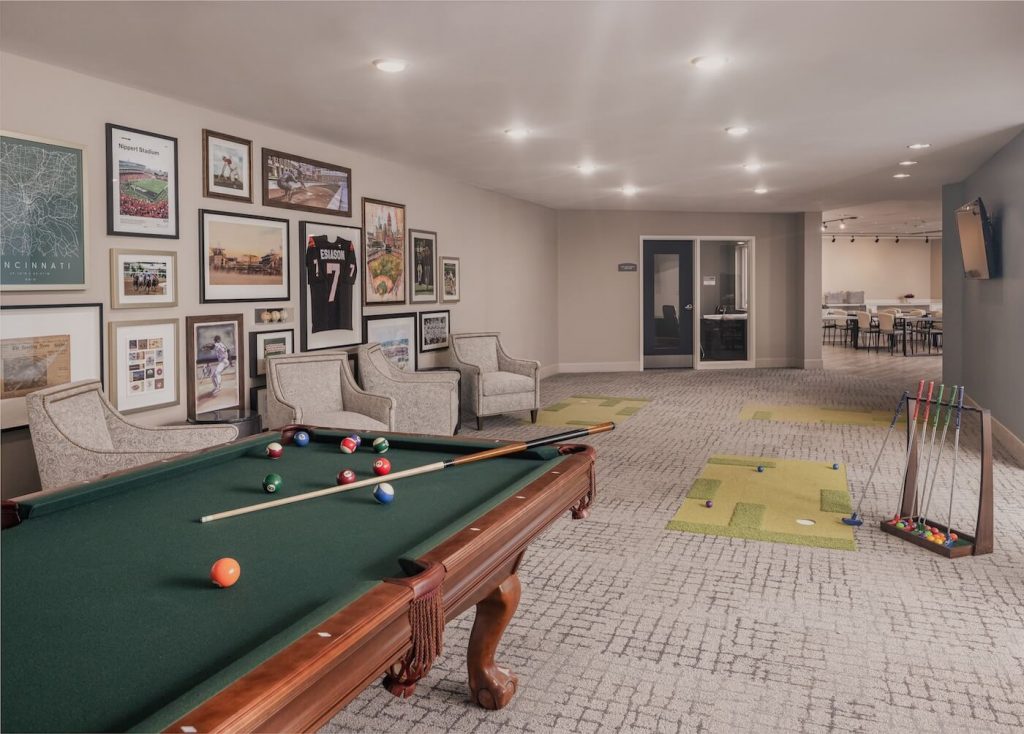
A comprehensive repositioning transformed the community into a 27 unit memory care neighborhood and a 30 unit high acuity assisted living community. The effort included a thoughtful interior renovation and targeted amenity refresh to better align with market demand.
Goal:
Reposition an underperforming memory care community by aligning the unit mix, amenities, and design with actual market demand. The goal was to elevate the resident experience while preserving long term asset value.
Repositioning Strategy
Market analysis revealed an imbalance between memory care supply and demand within the trade area. At the same time, there was a clear unmet need for high acuity assisted living. Rather than pursuing surface level updates, the strategy focused on correcting the unit mix to better serve the local market.
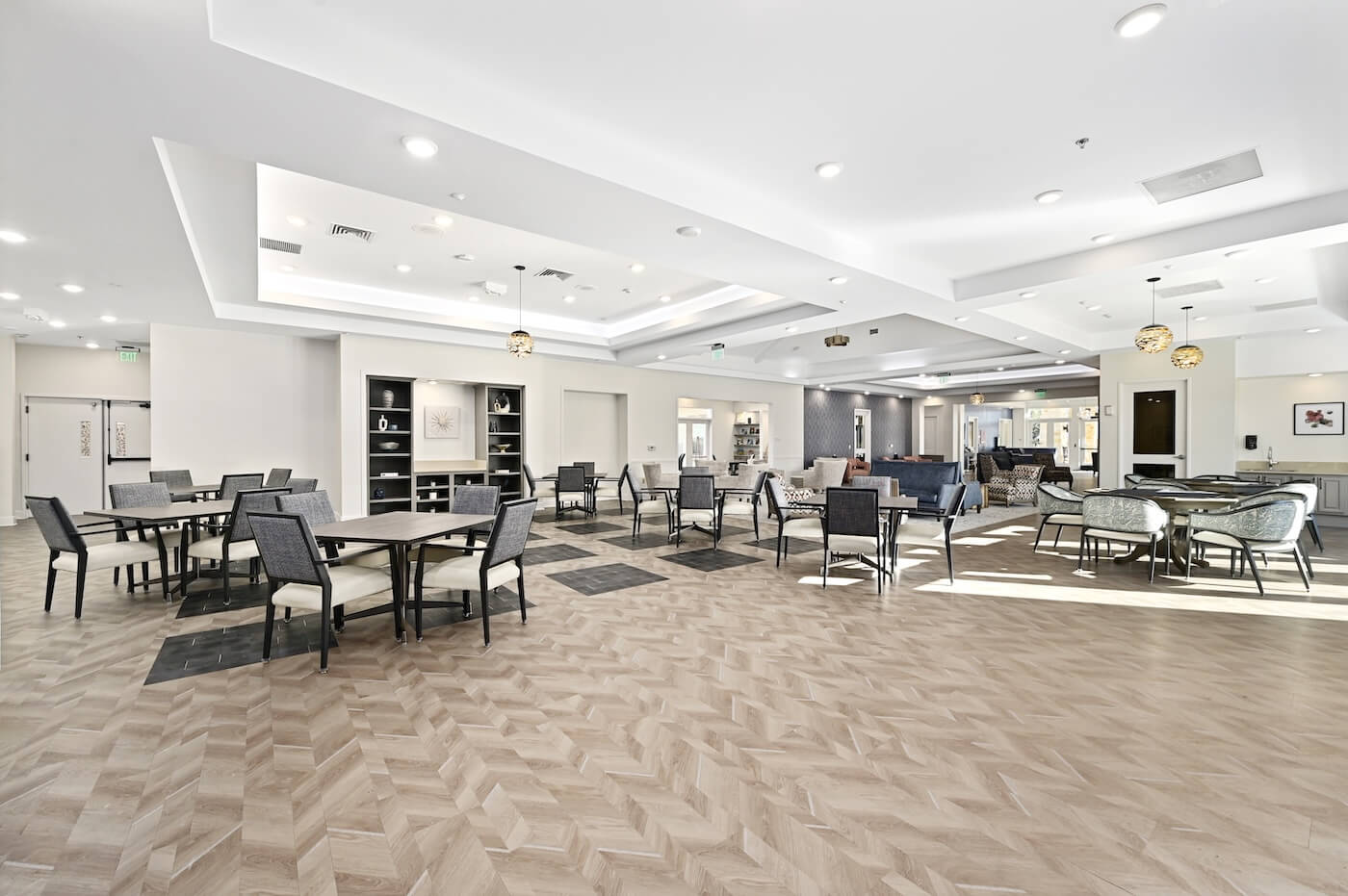
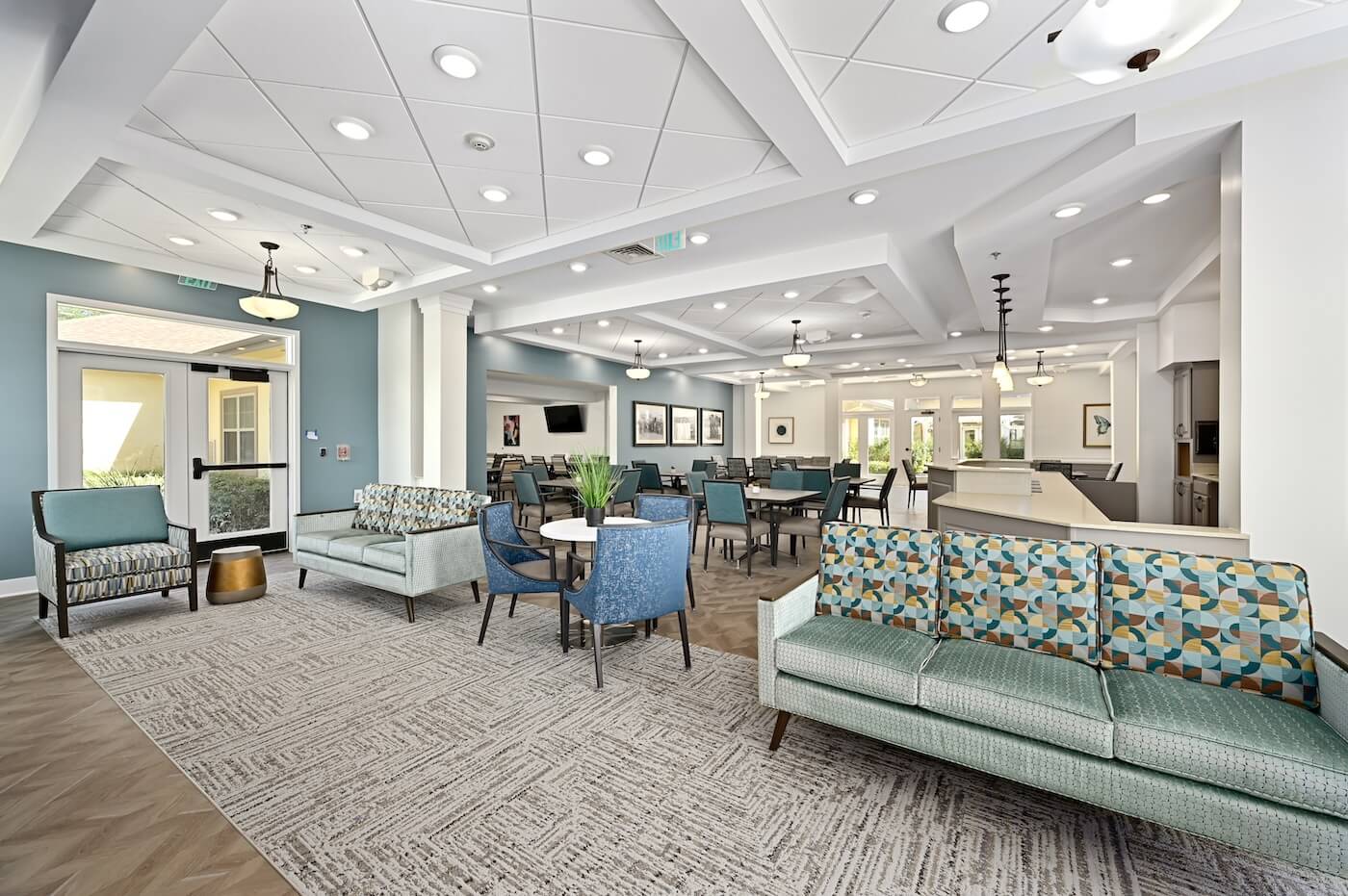
The restructuring reduced memory care density and introduced enhanced assisted living suites. Shared spaces were reimagined to support both care levels. This created a more competitive and sustainable community within the Austin market.
Our Method
A $1.35M renovation focused on strategic reconfiguration, targeted amenity additions, and FF&E upgrades. The approach prioritized the following:
Right sizing memory care while introducing high acuity assisted living
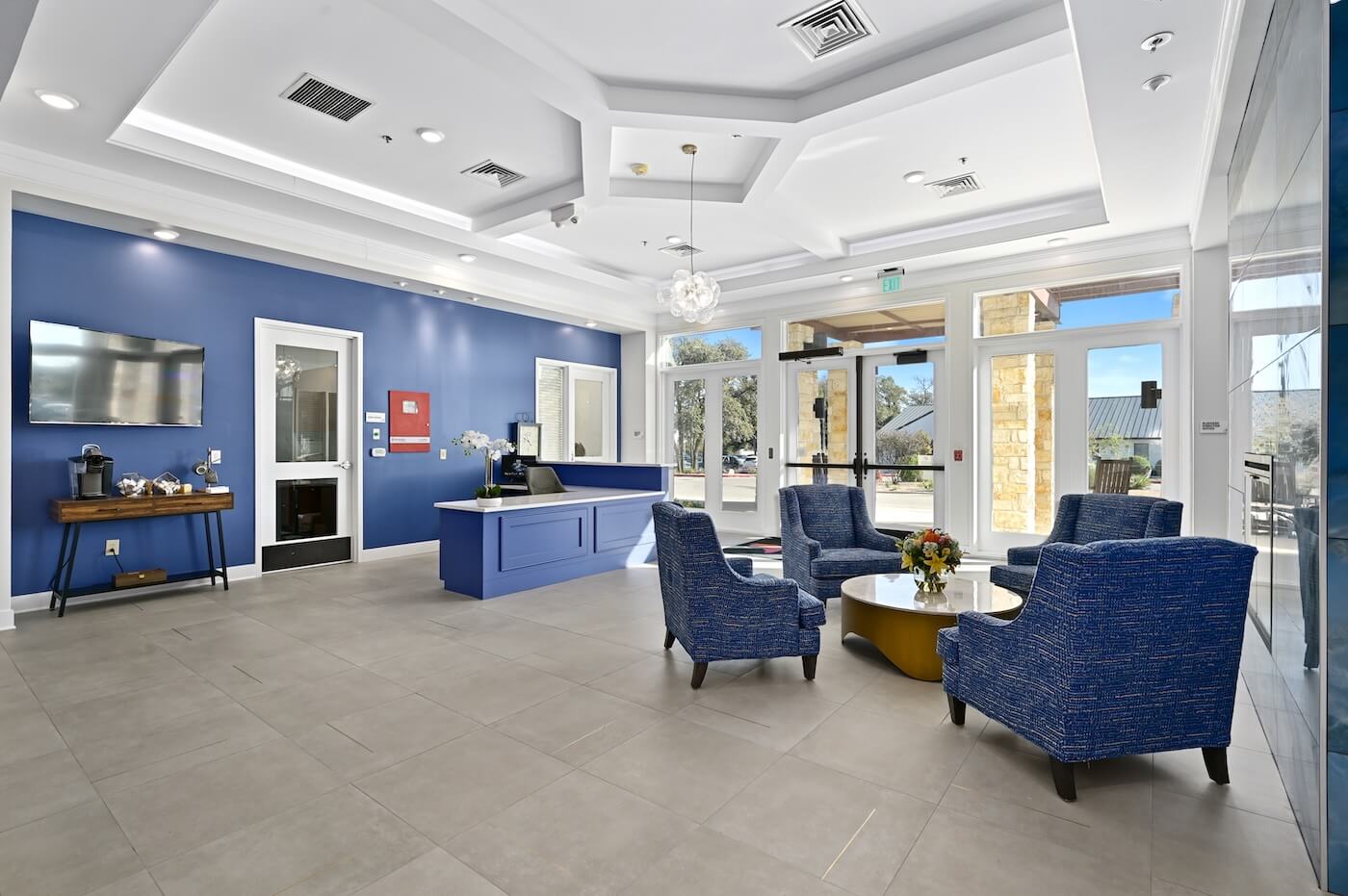
Improving sightlines, wayfinding, and overall spatial flow
Preserving and refreshing existing elements where possible to maximize return
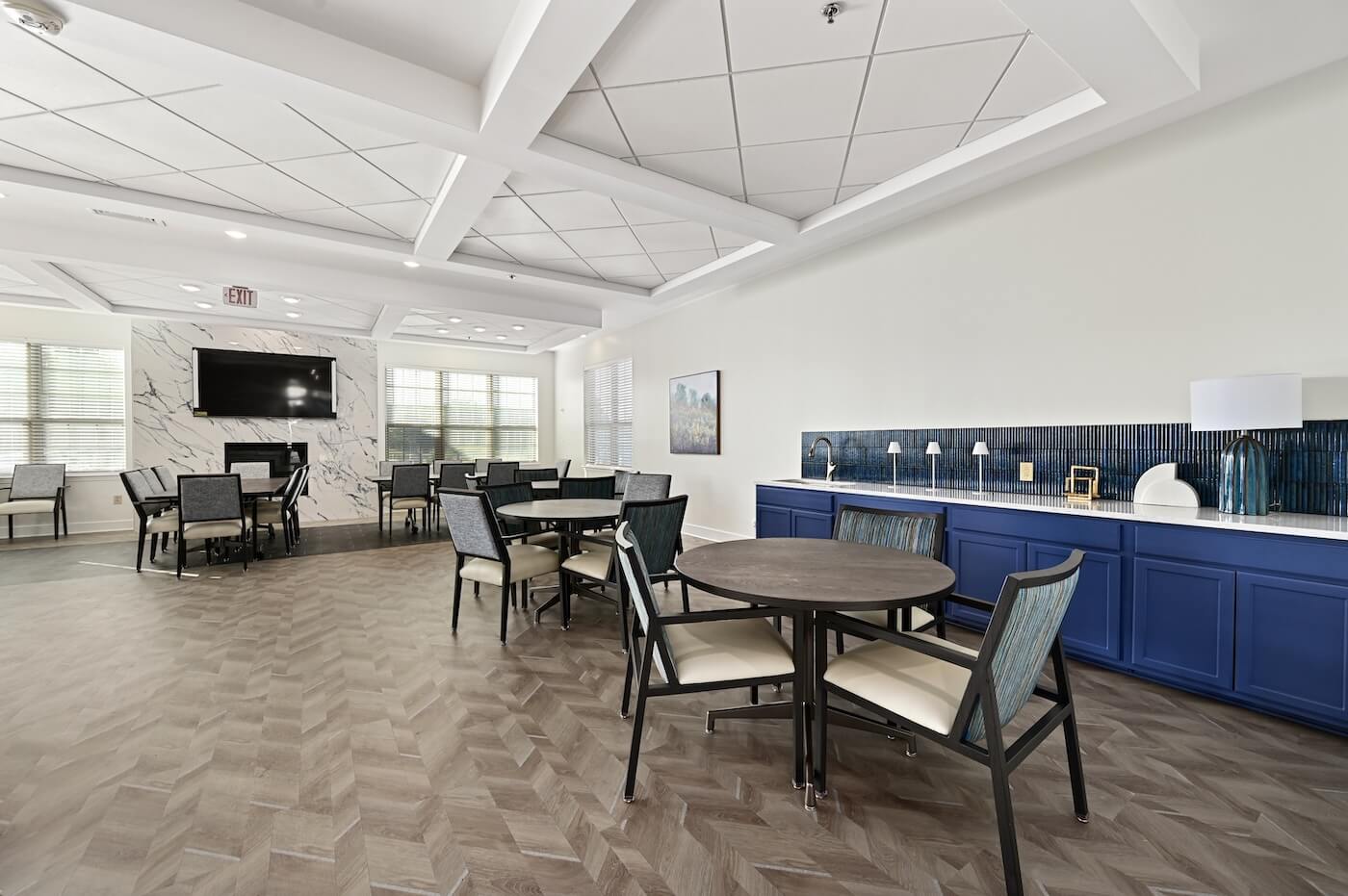
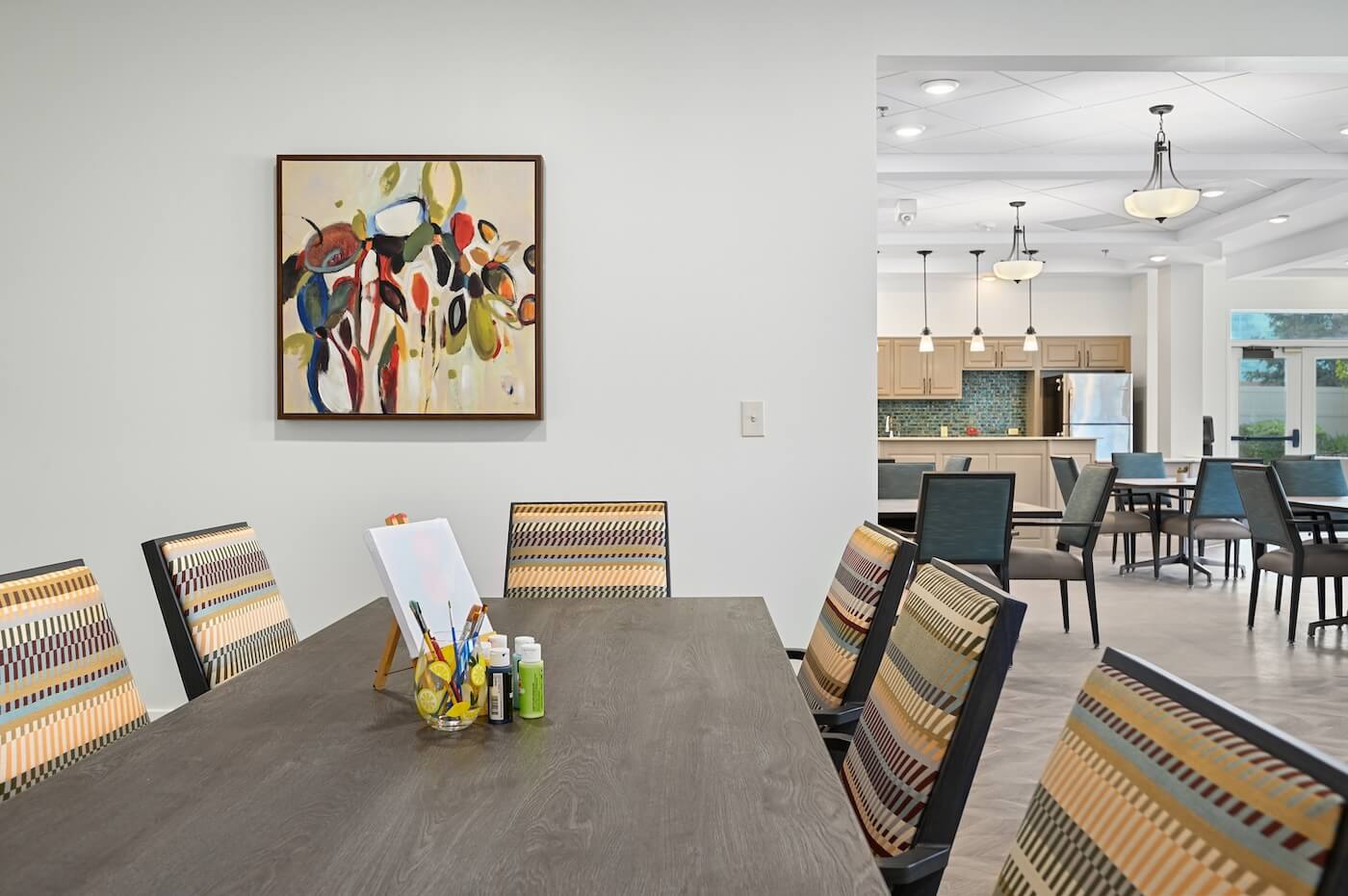
Creating flexible, multi purpose amenity spaces to support daily programming
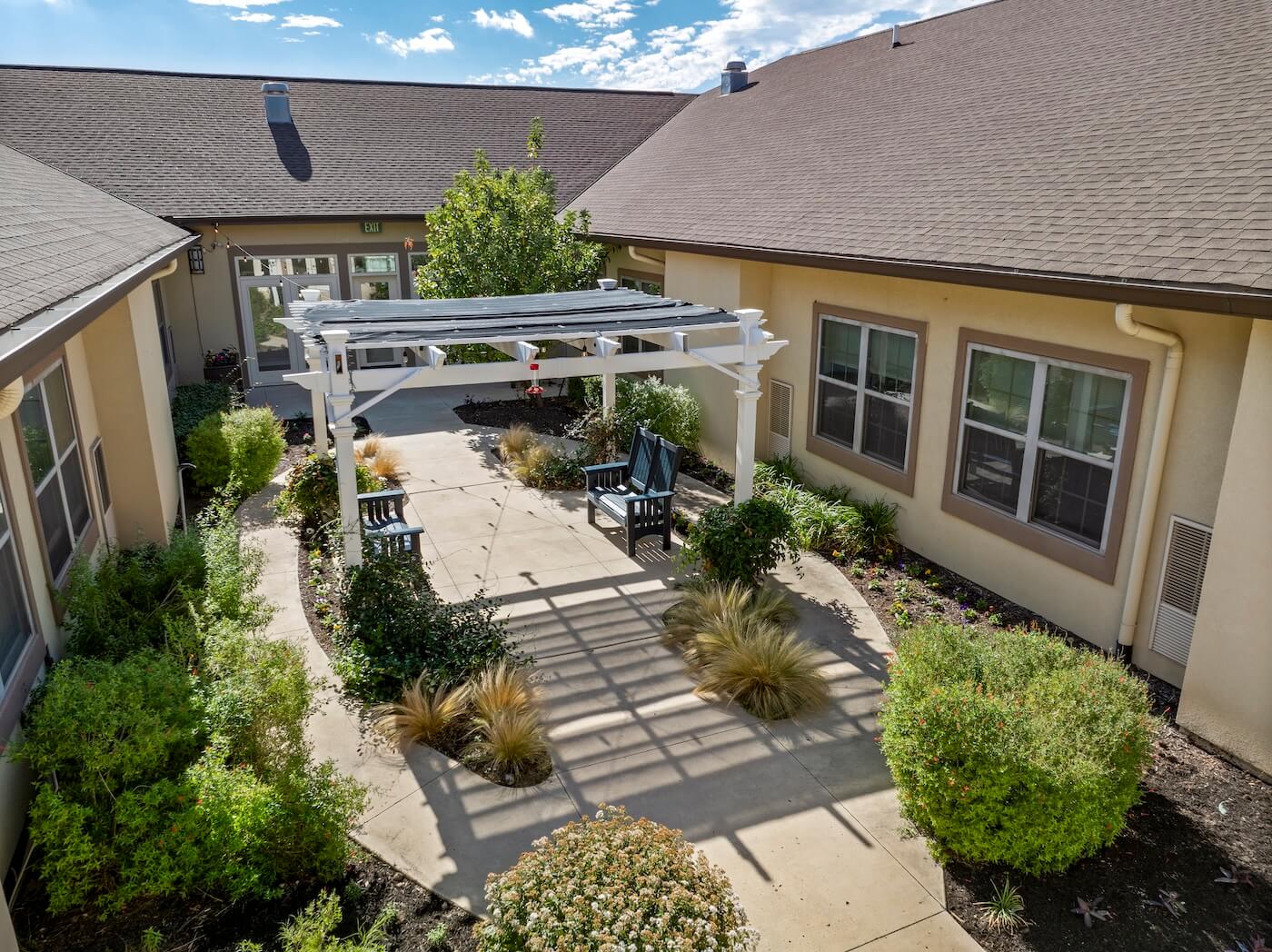
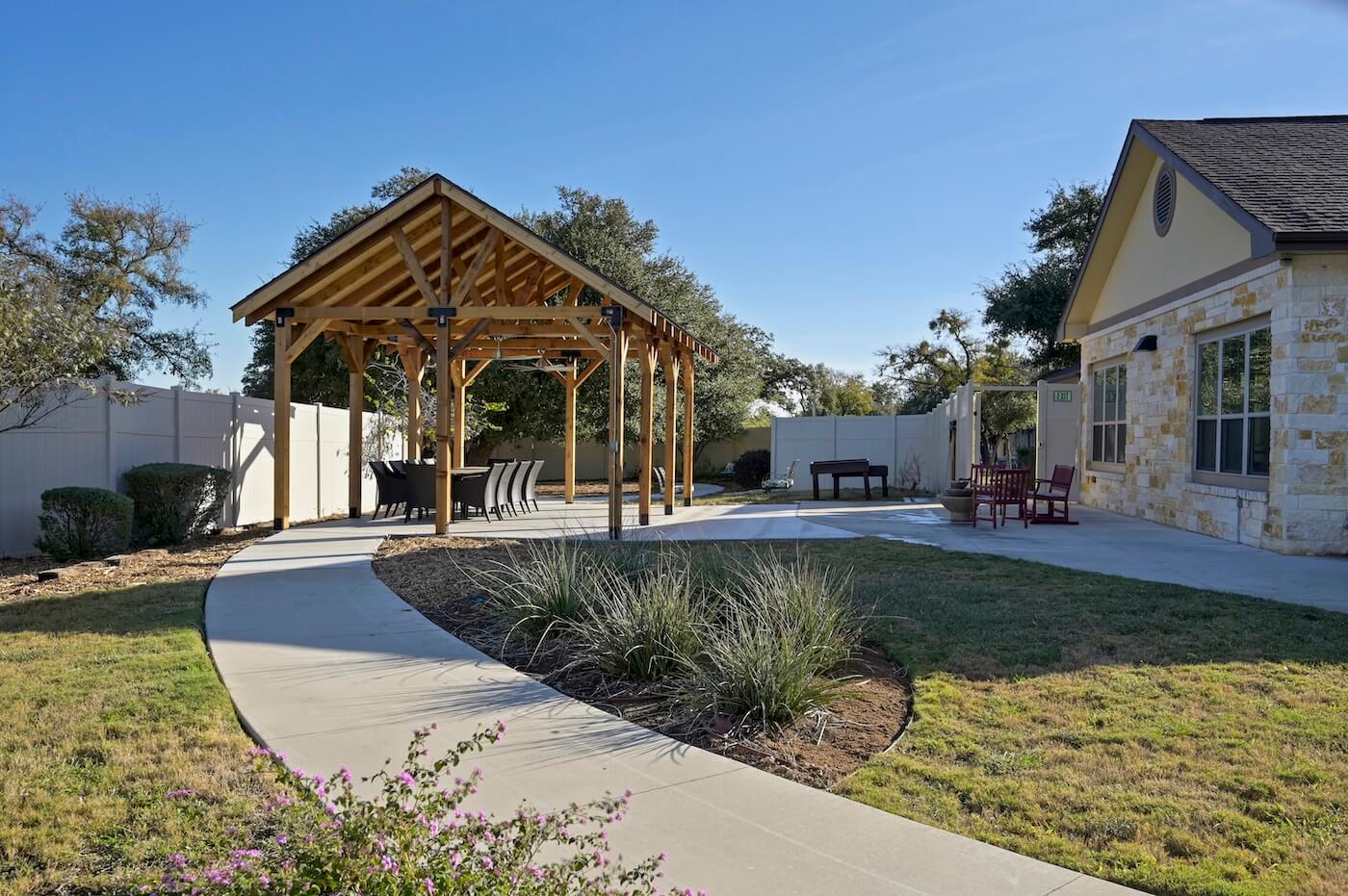
The redesign added three new amenity spaces and emphasized durability, flexibility, and hospitality inspired design.
The Result
The repositioning aligned the community with local demand and diversified the resident base. It also significantly improved long term performance potential. The investment equated to approximately $23.5K per unit, or $21 per square foot, with an estimated two year return.
The final result is a community that feels elevated yet welcoming. It balances clinical needs with residential warmth and supports both residents and staff through thoughtful, human centered design.